


Air Conditioning

Car batteries rely on chemical reactions to generate electrical power, and cold temperatures dramatically slow these reactions down. In Ballarat's harsh winters, the electrolyte inside your battery becomes sluggish, making it harder for the battery to deliver the cranking power your engine needs to start. A battery that performs perfectly in summer may lose up to 50% of its starting power when temperatures drop below freezing.
The colder it gets, the more current your battery must provide to turn the starter motor. This increased demand combined with reduced chemical efficiency means your battery is working twice as hard in half the time. If your battery was already aging before winter arrived, Ballarat's cold snaps can expose its weaknesses quickly and leave you stranded.
Beyond starting challenges, Ballarat's prolonged cold periods accelerate the natural process of battery self-discharge. Even when your car sits idle, the cold causes internal resistance to increase, forcing your battery to lose charge more rapidly. Add in regular winter driving with headlights, heaters, and wipers running constantly, and your battery is depleted far faster than during warmer months.
Repeated deep discharges during winter put additional stress on battery plates and reduce overall lifespan. A battery that might last 4–5 years in a mild climate may only survive 2–3 years in Ballarat's conditions. This is why many locals find their batteries fail without warning mid-winter, often at the most inconvenient time.
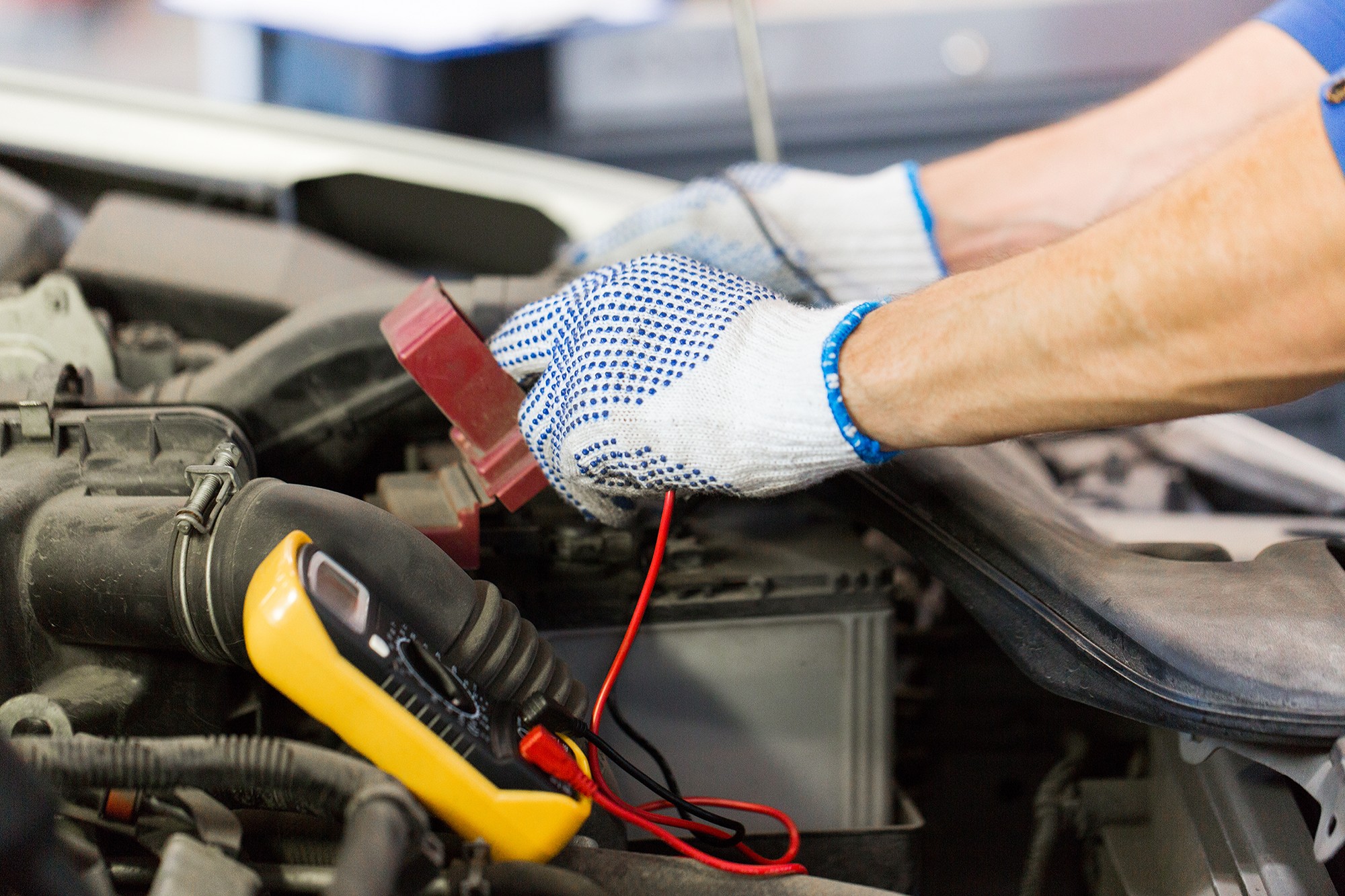
The best time to assess your battery's health is late autumn, before Ballarat's coldest weather arrives. If your battery is more than 3 years old, a professional diagnostic scan at Scooters Automotive Services can reveal whether it's still reliable or showing signs of weakness. A battery load test will show exactly how much starting power it can deliver—critical information before winter testing it to its limits.
Don't wait for a cold morning failure to act. If your battery struggles to start your car, takes longer than usual to crank the engine, or shows signs of age (corrosion on terminals, cracks in the case), replacement before winter is a smart investment. Modern batteries are affordable insurance against being stranded in freezing conditions, and professional installation ensures proper fit and reliability.
Beyond testing and replacement, several habits help protect your battery during cold months. Keep your car in a garage or sheltered area whenever possible—even a modest temperature difference helps battery chemistry perform better. Ensure your battery terminals are clean and corrosion-free, as corroded connections increase resistance and drain power faster. Check that your alternator is charging the battery properly; a failing alternator compounds cold-weather problems by leaving your battery depleted.
Minimise unnecessary electrical load on cold mornings: let your car warm up briefly before running multiple accessories simultaneously. Avoid short trips in freezing weather when the alternator doesn't have enough time to recharge the battery fully. If you notice any warning signs—dim lights, slow cranking, or clicking sounds when starting—have your battery and charging system inspected immediately by our experienced team at Scooters Automotive Services.







Designed & Developed by CJ Digital